
Further & Higher Education Classroom Design for Modern Learning Environments
Create Higher Education Learning Spaces That Support Independence, Collaboration and Academic Performance
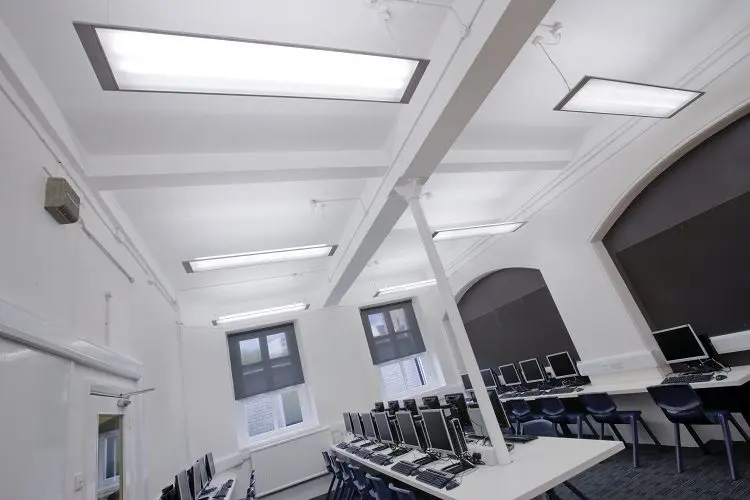
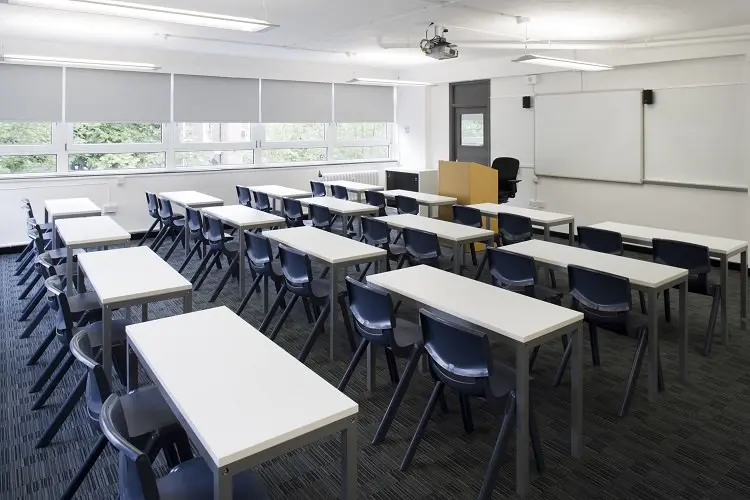
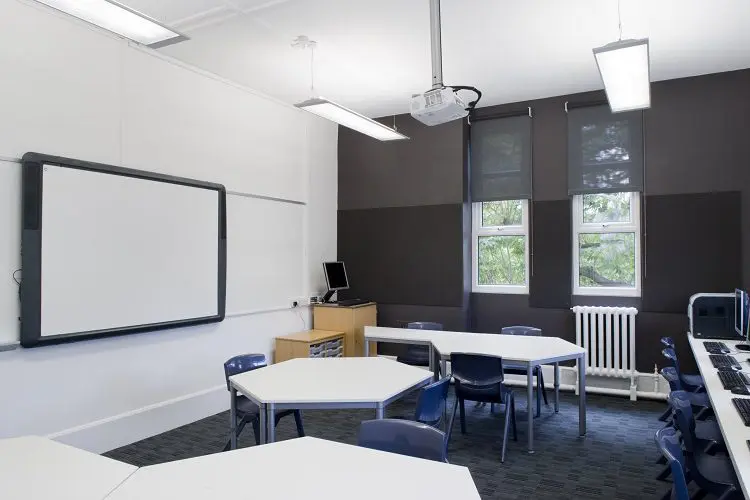
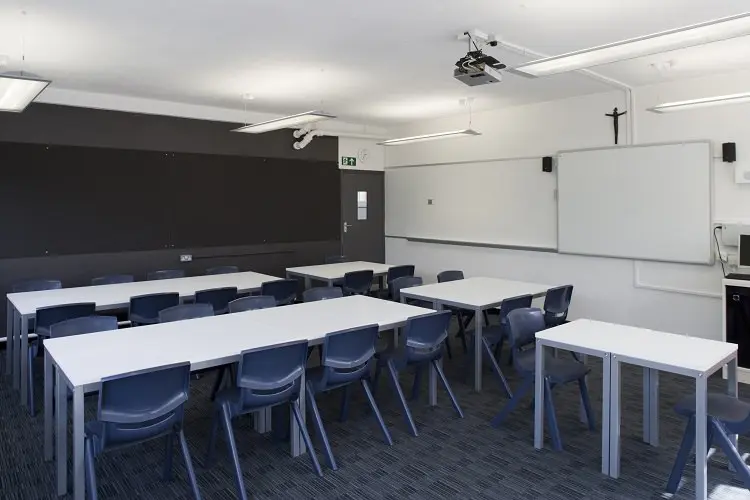
A well-planned further and higher education classroom design is essential for supporting independent learning, academic performance and student engagement. In modern higher education environments, students are expected to work more autonomously, collaborate across disciplines and engage with a wide range of teaching methods.
At Fusion Classroom Design, we create learning environments that support diverse learning styles, hybrid teaching and evolving academic needs. Our approach focuses on designing educational spaces that allow students to thrive, while helping institutions deliver improved learning outcomes.
Whether you are upgrading existing facilities or developing new higher education spaces, we provide a complete design service that aligns layout, furniture and technology into one cohesive solution.
Why Classroom Design Matters in Further and Higher Education
In higher education institutions, classroom design has a direct impact on how students learn, interact and perform. Traditional classrooms with fixed layouts often limit flexibility and restrict the use of modern teaching methods.
Today’s students require environments that support group discussions, independent study, and cross-disciplinary interaction. A well-designed classroom creates a more dynamic and adaptable space that supports a diverse range of learning activities.
A carefully planned design can enhance teaching, improve student engagement, and support academic achievement by creating spaces that reflect how students learn in academic settings.

Designing Learning Environments for Diverse Learning Styles
Students in further and higher education come from a wide range of backgrounds and learning preferences. A single, rigid classroom layout cannot support these diverse needs.
We design learning environments that adapt to different learning styles, allowing students to engage with content in ways that suit them best. This includes supporting independent study, group collaboration and hands-on projects within the same space.
By creating flexible and inclusive environments, we help institutions support both individual learners and group-based learning, improving overall learning outcomes.
Classroom Layouts That Support Modern Teaching Methods
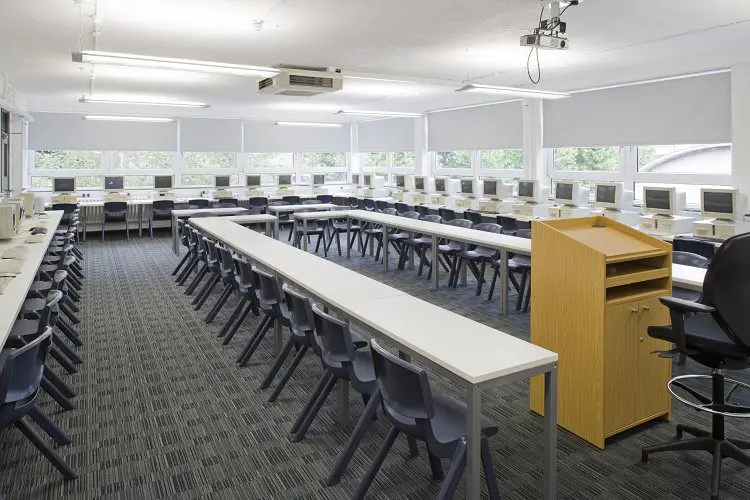
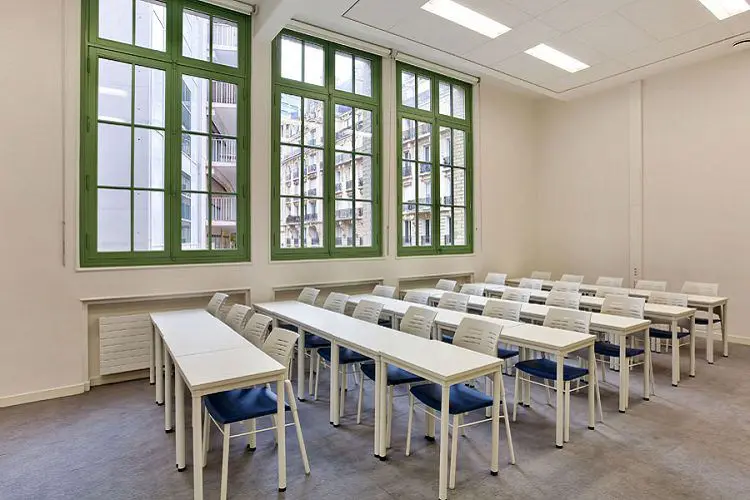
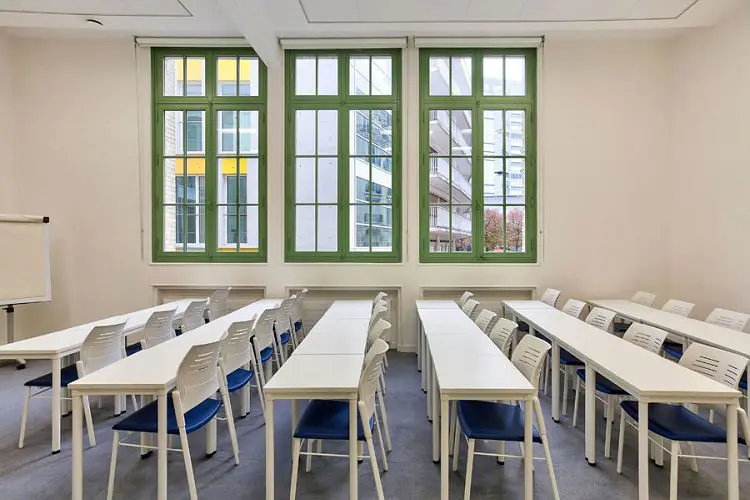
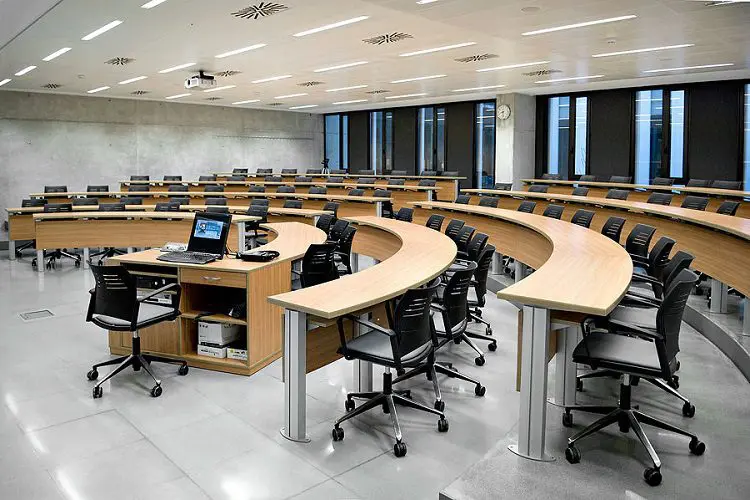
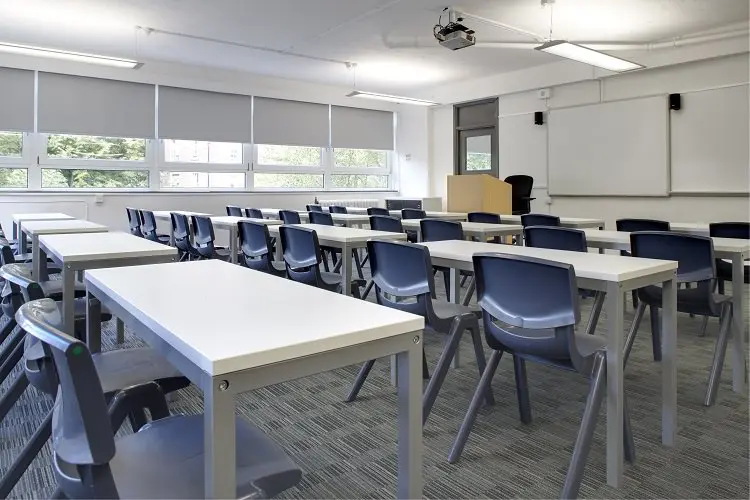
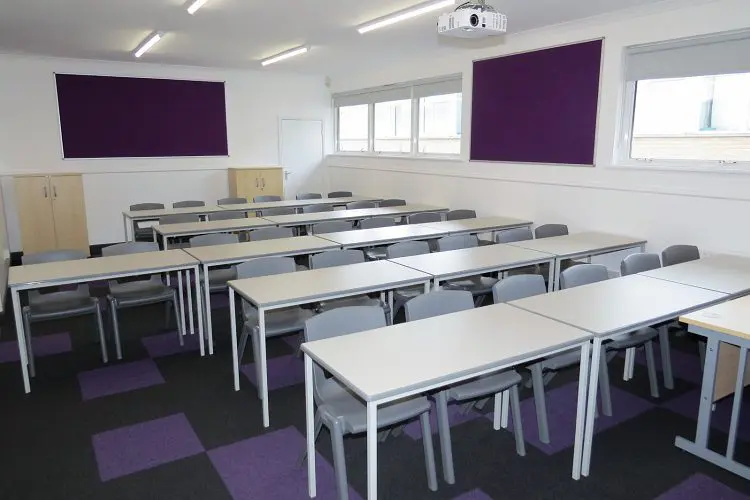
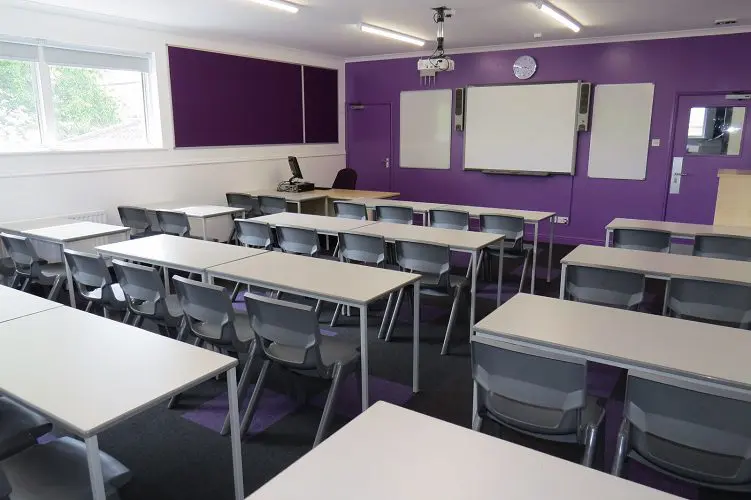
The classroom layout is a fundamental part of any higher education space. It must support a variety of teaching styles, from lectures and seminars to small group instruction and collaborative work.
Rigid layouts can limit engagement and reduce interaction. A more flexible approach allows educators to adapt their teaching methods to the subject, class size, and learning objectives.
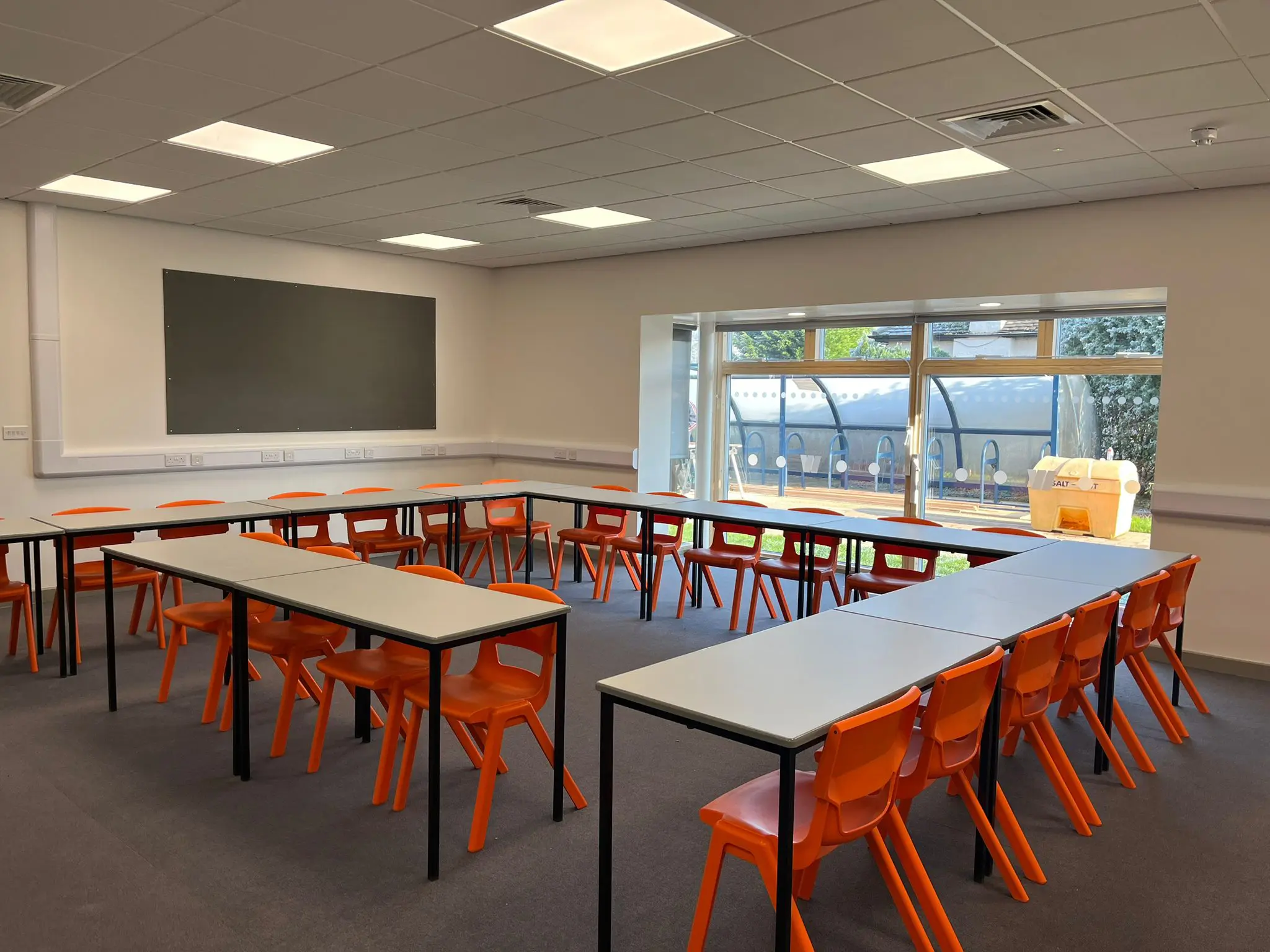
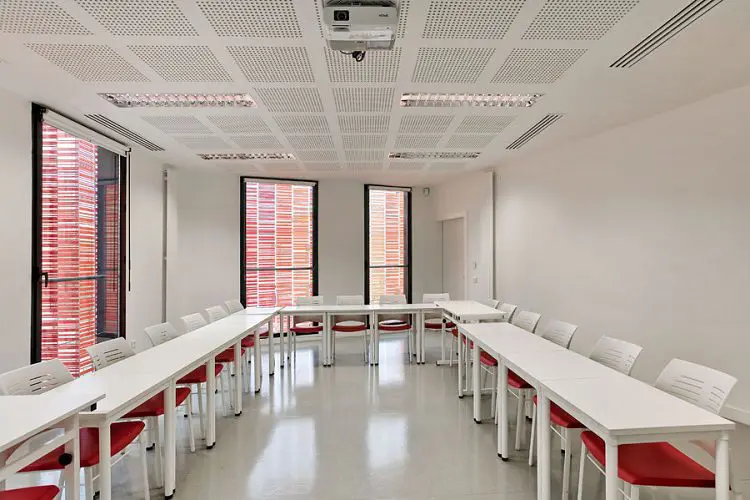
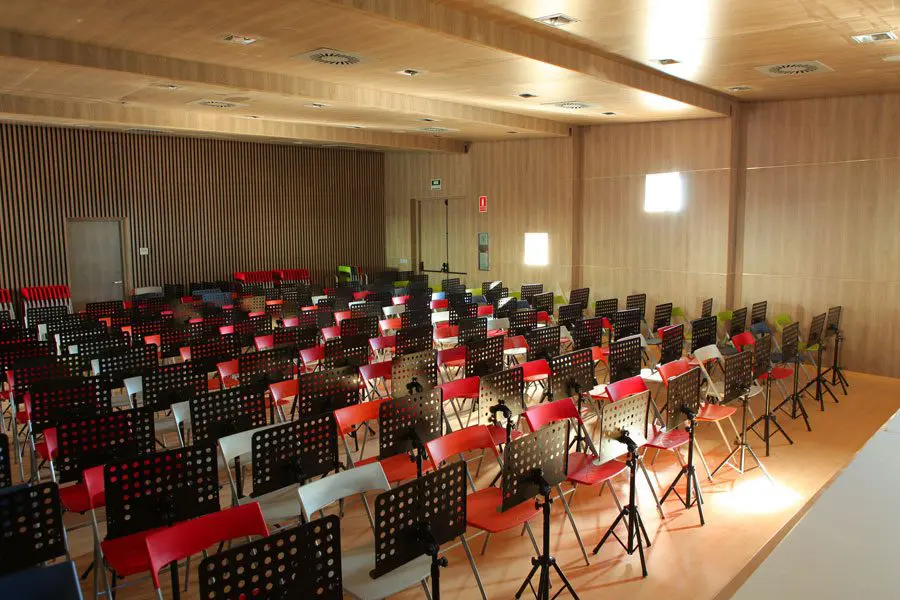
We design layouts that support open spaces, collaborative zones and structured teaching areas. This ensures the classroom can adapt throughout the day and support different types of learning activities.


Creating Spaces for Group Work and Independent Learning
Collaboration is a key part of modern education. Students are expected to work together, share ideas and develop critical skills through group work and discussion.
A well-designed classroom includes collaborative spaces and breakout spaces that support these activities. These areas allow students to move away from traditional desk setups and engage more actively in learning.
We create environments that encourage group collaboration, discussion and cross-disciplinary interaction. This helps students develop communication skills and deepen their understanding of their subject areas.
Flexible and Adaptable Furniture for Higher Education Spaces
Furniture plays a critical role in how higher education classrooms function. Students need spaces that can adapt quickly to different teaching methods and activities.
We provide adaptable furniture that supports flexibility, comfort and long-term use.
Our furniture solutions include:
- modular desks and mobile desks for flexible layouts
- ergonomic seating to support long study periods
- height-adjustable desks for comfort and accessibility
- stackable chairs for easy reconfiguration
- mobile whiteboards for collaborative learning
This allows classrooms to adapt quickly, supporting a wide range of teaching styles and learning activities.
Integrating Technology Into Modern Classrooms
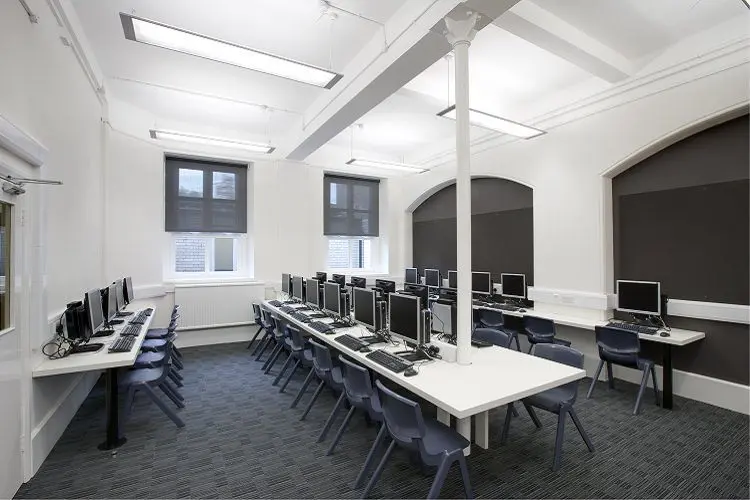
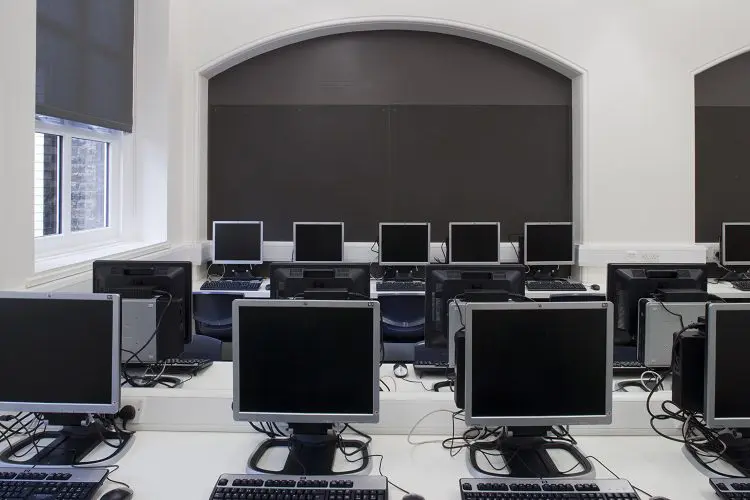
Technology is central to modern education. From digital tools to hybrid teaching, classrooms must be designed to support both in-person and online learning.
We integrate technology into the design process to ensure it works seamlessly within the space. This includes planning for device usage, accessibility and visibility.
Our approach includes:
- technology integration for hybrid teaching environments
- charging points for laptops and devices
- layouts that support digital tools and presentations
- infrastructure that supports modern teaching methods
This ensures that classrooms are future-proofed and aligned with today’s students’ needs.

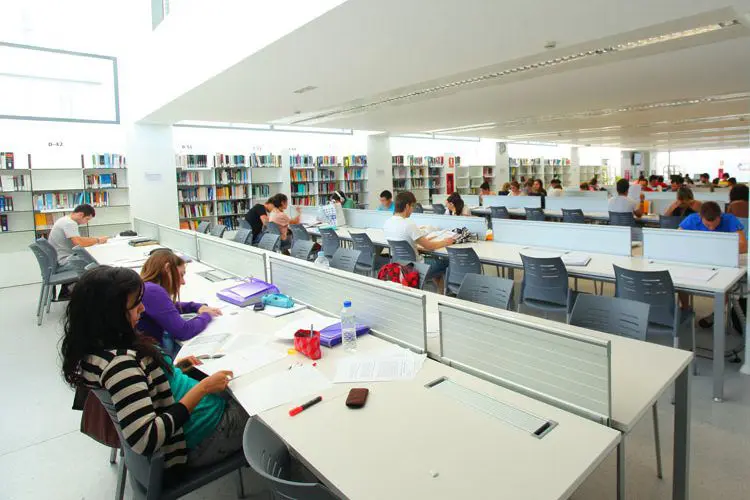
Creating Learning Spaces That Support Student Experience and Wellbeing
The physical environment has a significant impact on student experience, mental health and academic performance. Poorly designed spaces can increase distraction and reduce engagement.
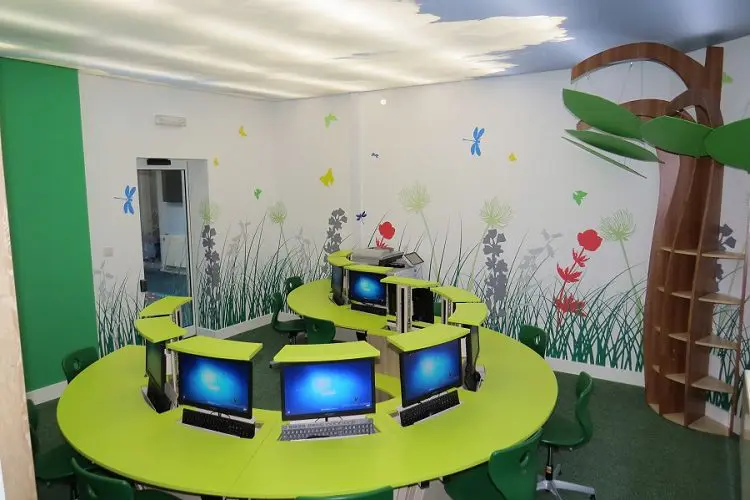
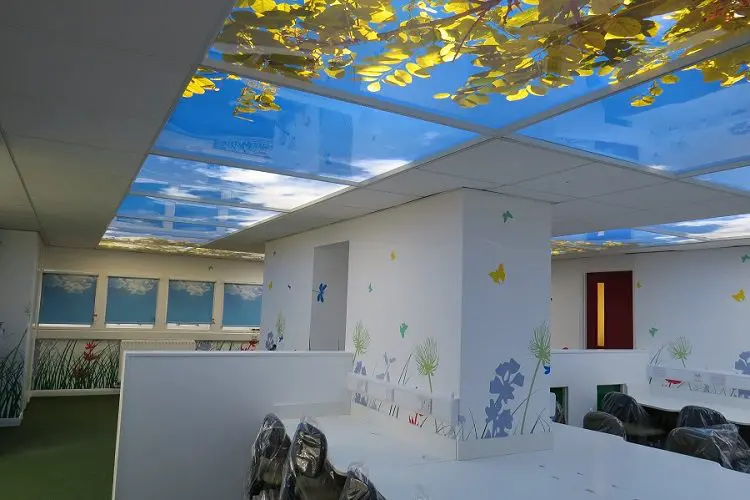
We design classrooms that minimise distractions and create a sense of belonging. This includes considering natural and artificial lighting, climate control, and natural ventilation to improve comfort. Biophilic design is not just a trend and is something many further education settings lean into due to the overwhelming advantages for student wellbeing.
Soft furnishings and thoughtful design elements can also help create a more balanced environment, supporting both focus and wellbeing. These factors play a key role in helping students feel comfortable and engaged within the space.
Supporting Independent Learning and Academic Achievement
In further and higher education, students are expected to take more responsibility for their learning. Classrooms must support independent study while still allowing for collaboration and teaching.
We design spaces that support independent learning, small-group instruction, and structured teaching within the same environment. This helps students develop critical skills and improve academic performance over time.
By aligning classroom design with academic goals, we help institutions create environments that support long-term success.
A Complete Design Process for Further & Higher Education Institutions
Designing effective higher education environments requires a structured and strategic approach. Every element of the space must work together to support teaching, learning and institutional goals.
Fusion provides a complete design process for classroom design in further and higher education, ensuring consistency across every stage of the project.
Our serviceWe offer a turnkey service, which includes:
- Consultation and planning
- Classroom layout and space design
- Furniture and equipment specification
- Technology integration
- Installation and project delivery
- Execution of associated refurbishment works, such as decorating, supply and installation of flooring and more
We work closely with educational institutions to create spaces that align with their core values, support teaching methods and improve learning outcomes.

Start Your Further or Higher Education Classroom Design Project
If you are planning to upgrade your facilities or create new further or higher education spaces, our team is here to help.
We will work with you to design learning environments that support student engagement, improve academic performance and create a better overall student experience.
Contact Fusion Classroom Design today to discuss your project and arrange a free consultation.

Frequently Asked Questions About Further & Higher Education Classroom Design
A well-planned classroom design can significantly enhance learning outcomes by creating environments that support a wide range of activities and teaching approaches. In higher education, students benefit from spaces that allow them to engage with content through various teaching methods rather than learning in the same way every session.
By designing classrooms that support group projects, independent study and discussion, institutions can create environments where students thrive. The right built environment helps improve focus, participation and overall academic performance.
Breakout spaces are an essential part of modern higher education design because they allow students to move beyond traditional classroom settings, with a sense of a greater step up from secondary education. Breakout spaces are more akin to an office environment, giving students a renewed sense of purpose and direction. and engage in more collaborative learning.
These spaces support group projects, informal discussion and independent work, helping students interact in ways that reflect real-world environments. Breakout spaces also provide students with an area for downtime away from learning, and to engage with other students. Somewhere to refresh between lessons. When designed with flexible furniture and modular furniture, breakout areas can adapt to different activities and be used effectively throughout the day.
Improving classrooms for a new school year often starts with reviewing how the space is currently used and identifying areas for improvement. The first step is to assess layout, storage and how effectively the classroom supports teaching and learning.
Simple changes, such as adjusting furniture placement, improving organisation, and introducing new ideas, can make a significant difference. Whether updating existing furniture or redesigning the space entirely, these improvements help create a classroom that better supports pupils, teachers and the demands of modern education.
We can also help with the execution of minor upgrades which have a big impact, such as the supply and installation of improved flooring. Any refurbishment works are part and parcel of our service.
Classroom design has a direct impact on learning outcomes by influencing how students engage with lessons, resources and each other. A well-designed space offers flexibility, making it easier to support diverse activities and learning styles.
By incorporating flexible furniture, adaptable layouts and spaces for collaboration, institutions can create environments where students can work effectively, both individually and in groups. This helps ensure the space supports learning throughout the day and across different subjects.
Further and Higher education classrooms must support a diverse range of learners, each with their own preferences and needs. Designing spaces that accommodate various teaching methods ensures that lessons can be delivered in ways that suit different approaches.
We create environments that support both structured teaching and more flexible learning formats. This includes designing spaces that allow students to engage with material through discussion, practical work and independent study, rather than relying on a single method of teaching. Taking into account the subject matter is also a vital part of supporting classrooms for further and higher education.
A well-designed classroom considers not only academic performance but also student wellbeing. Factors such as lighting, layout and acoustics all play a role in how comfortable and focused students feel within the space. Colour palette and materials also play a strong role in wellbeing and inclusivity.
We design environments that take into account sensory sensitivities if applicable, and create balanced spaces that minimise distractions. By improving comfort and accessibility within the built environment, we help ensure all students can engage effectively with learning and feel supported in their day-to-day experience.